
Ford Ranger Super Duty
สื่อสัมพันธ์ระดับสากลและประสบการณ์เปิดตัวยานยนต์ในภูมิภาค
งานประชาสัมพันธ์ในวันนี้ไม่ได้จบแค่การได้พื้นที่ข่าว แต่ต้องช่วยสร้างความน่าเชื่อถือให้กับแบรนด์ ผู้คนสร้างความเห็นต่อแบรนด์จากสิ่งที่เห็นในสื่อ ครีเอเตอร์ ผลการค้นหา และโซเชียลมีเดีย ความเชื่อมั่นจึงเกิดจากทั้งสิ่งที่แบรนด์สื่อสาร ผู้คนที่พวกเขาเลือกเชื่อถือ และความสม่ำเสมอของแบรนด์ในแต่ละช่องทาง
Foundeast วางระบบการประชาสัมพันธ์แบบบูรณาการ เพื่อสร้างการรับรู้ เสริมความน่าเชื่อถือ และสนับสนุนผลลัพธ์ทางธุรกิจที่วัดผลได้ โดยเชื่อมการทำงานของ earned media ครีเอเตอร์ คอนเทนต์ และการค้นหาเข้าด้วยกัน

การมองเห็นช่วยสร้างการรับรู้ แต่ความน่าเชื่อถือคือสิ่งที่ผลักดันให้คนลงมือทำ งาน PR ในปัจจุบันจึงต้องสร้างทั้งสองอย่างควบคู่กันในทุกช่องทาง เราไม่ได้มอง PR เพียงในแง่ของข่าวประชาสัมพันธ์หรือการได้พื้นที่สื่อ แต่ให้ความสำคัญกับสิ่งต่อไปนี้:
PR ไม่ใช่งานที่แยกส่วน แต่เป็นแรงขับเคลื่อนสำคัญของการเติบโตของแบรนด์
เรากำหนดเรื่องราว จุดยืน และข้อความหลักเพื่อเป็นแนวทางให้การสื่อสารทั้งหมด ครอบคลุม:
ทุกชิ้นงานสอดคล้องกับรากฐานเชิงกลยุทธ์ที่ชัดเจนและสม่ำเสมอ
เราเชื่อมแบรนด์กับสื่อที่เหมาะสม ในรูปแบบและช่วงเวลาที่ใช่ ความสามารถของเราครอบคลุม:
เราสร้างการมองเห็นในพื้นที่ที่มีอิทธิพลต่อความน่าเชื่อถือและการตัดสินใจ
ครีเอเตอร์เป็นองค์ประกอบสำคัญของ PR สมัยใหม่ เราผสานเครือข่ายอินฟลูเอนเซอร์และ KOL เข้ากับกลยุทธ์การสื่อสารโดยตรง เพื่อให้เรื่องราวในสื่อและโซเชียลสอดคล้องกัน ครอบคลุม:
แนวทางของเราสร้างความเชื่อมั่น การเข้าถึง และความเกี่ยวข้องกับกลุ่มเป้าหมายไปพร้อมกัน
ชื่อเสียงเปลี่ยนแปลงได้รวดเร็ว การตอบสนองจึงต้องรวดเร็วยิ่งกว่า เราช่วยแบรนด์บริหารความเสี่ยง รับมือประเด็น และปกป้องความน่าเชื่อถือระยะยาวทั้งในสื่อและช่องทางดิจิทัล บริการครอบคลุม:
ความน่าเชื่อถือเกิดจากผู้คน ไม่ใช่เพียงแบรนด์ เราวางตำแหน่งผู้บริหารให้เป็นเสียงที่มีน้ำหนักผ่าน:
สร้างความเชื่อมั่นกับทั้งกลุ่มเป้าหมายและผู้มีอำนาจตัดสินใจ
PR ต้องแสดงให้เห็นผลต่อธุรกิจ เราวัดผลครอบคลุม:
PR จึงมีส่วนสร้างการเติบโตที่วัดได้ มากกว่าการรับรู้เพียงอย่างเดียว
A useful PR budget begins with the business decision communications must support. An international company establishing a Thai operation has different needs from a brand introducing one product, or a regional team seeking sustained visibility among customers, journalists, and commercial partners. Treating all three as a price-per-release exercise makes it difficult to assess whether the work will achieve its purpose.
Foundeast develops proposals around the audiences, evidence, markets, approval requirements, and outcomes involved. Three engagement structures tend to make sense, but the appropriate arrangement depends on what the client needs the team to do, not simply the number of media placements requested.
A retainer is useful when the communications requirement persists between announcements. Typical work can include a standing press office, editorial planning, media and stakeholder relationships, executive advice, responses to journalist enquiries, and recurring content. For a regional communications leader, it provides continuity and a team that knows the business, its technical subject matter, and its approval process.
The scope should specify the expected service capacity, markets, languages, senior advisory access, reporting cadence, and activities outside the agreement. A retainer is not an open-ended commitment to produce unlimited campaigns, nor is it a purchase of independent editorial coverage. Review priorities periodically as the company’s commercial plans change.
A project fee suits an activity with a clear beginning, defined deliverables, and agreed completion criteria: a market announcement, facility opening, product introduction, media briefing, or industry event, for example. It can cover research, positioning, bilingual materials, media identification, outreach, spokesperson preparation, and post-campaign reporting, depending on the brief.
Specify the number of announcement cycles, interview or event support requirements, content formats, approval rounds, and reporting period before comparing bids. Ask agencies to show assumptions separately. If a launch date slips or an additional market is added, the mechanism for revising scope should be understood in advance.
An organisation may need an intensive launch followed by a smaller, ongoing communications programme. In that case, the initial project can fund message development, launch assets, and a concentrated media effort, while a subsequent retainer supports expert commentary, ongoing editorial opportunities, website content, and stakeholder updates.
This distinction avoids paying for permanent launch-level production capacity when the requirement becomes relationship management and useful content. Conversely, a light retainer should not quietly inherit the cost and operational load of a full-scale launch.
Cross-market delivery should be designed around actual audience and media requirements. The core narrative, technical fact sheet, interview material, visual assets, and senior editorial oversight may be reusable. Local media mapping, Thai-language writing, spokesperson coordination, cultural adaptation, and targeted outreach require market-specific work.
For a Thailand launch, ask whether both Thai- and English-language materials are needed, who validates local terminology and legal claims, and whether the spokespeople are available to respond in the languages and time zones required. For a Thailand-plus-one-market brief, shared work can reduce incremental effort; it is rarely sensible to duplicate the entire Thailand programme mechanically. See Foundeast’s market-entry communications approach for the wider positioning and stakeholder questions.
Procurement teams should be able to distinguish the agency’s strategic and execution fees from the costs of paid media, press-release distribution services, influencer fees, production, venues, travel, and other external suppliers. State which items are included, which are optional, who approves expenditure, and whether usage rights, local taxes, or rush requirements create additional costs.
Earned editorial coverage is a journalist’s independent decision. A paid placement is a purchased media product, and a wire-service republication is distribution, not independent reporting. Those activities may serve different objectives, but proposals and performance reports should not treat them as interchangeable. For sponsored digital content, confirm appropriate labelling, disclosure, and contractual rights with the relevant publisher.
For international companies, approvals are another material cost driver. A bilingual release that needs legal, technical, headquarters, and country-level approval requires a practical sign-off process, not only translation. Foundeast’s corporate communications in Thailand guide explains how to keep the underlying facts aligned across stakeholders.
Agree the evidence required before outreach begins: what the company can substantiate, which executives can speak, and what would make the announcement relevant to an editor or buyer. Then establish a reporting framework that separates work delivered, independent coverage obtained, audience response, and downstream outcomes. The AMEC Integrated Evaluation Framework’s planning guidance distinguishes outputs, audience out-takes, outcomes, and organisational impact.
Media coverage quality, the accuracy of key messages, engagement from priority sectors, qualified website visits, enquiries, and subsequent commercial conversations may all be useful signals. They are not equivalent, and none should be presented as sole proof that PR created a sale. Reach estimates and syndicated republications should be identified for what they are.
To make competing proposals comparable, supply a concise brief stating the business objective, priority audiences, target countries, languages, timing, subject-matter experts, available source material, planned announcements, approval owners, procurement boundaries, and intended measurement. Ask every agency to distinguish core fees, external costs, exclusions, optional activities, and the assumptions on which its quotation is based.
Our marketing budget calculator provides illustrative planning scenarios, not a quotation or a promise of media results. A formal proposal should be based on the actual brief, with an agreed allocation between continuing advisory work, time-bound activity, and optional paid support.
Foundeast combines Thai market knowledge with international media relations, technical content, executive communications, and search discoverability. Whether you need a one-market launch, a recurring press office, or a coordinated Southeast Asian programme, we can identify the essential work, distinguish earned from paid activity, and propose a scope your marketing and procurement teams can assess.
Discuss your PR brief with Foundeast — share the audience, market, timing, and objective, and we will help define the most appropriate engagement structure.
เราเชื่อม PR กับคอนเทนต์ ครีเอเตอร์ เสิร์ช และดิจิทัล เพื่อให้ทุกช่องทางเสริมเรื่องราวเดียวกัน
เราวางการสื่อสารบนวิธีที่ผู้คนค้นพบ ประเมิน และเชื่อมั่นในแบรนด์จริงในปัจจุบัน
คอนเทนต์ ชิ้นงาน และการผลิตทั้งหมดดูแลโดยทีมภายใน เพื่อความรวดเร็ว ความสม่ำเสมอ และการควบคุมคุณภาพ
เราทำงานในประเทศไทย เอเชียตะวันออกเฉียงใต้ และตลาดทั่วโลก ถ่ายทอดเรื่องราวด้วยความเข้าใจบริบทวัฒนธรรม
ทุกกิจกรรม PR เชื่อมกับผลลัพธ์ที่วัดได้ ทั้งความน่าเชื่อถือ การมองเห็น การมีส่วนร่วม และการตัดสินใจ
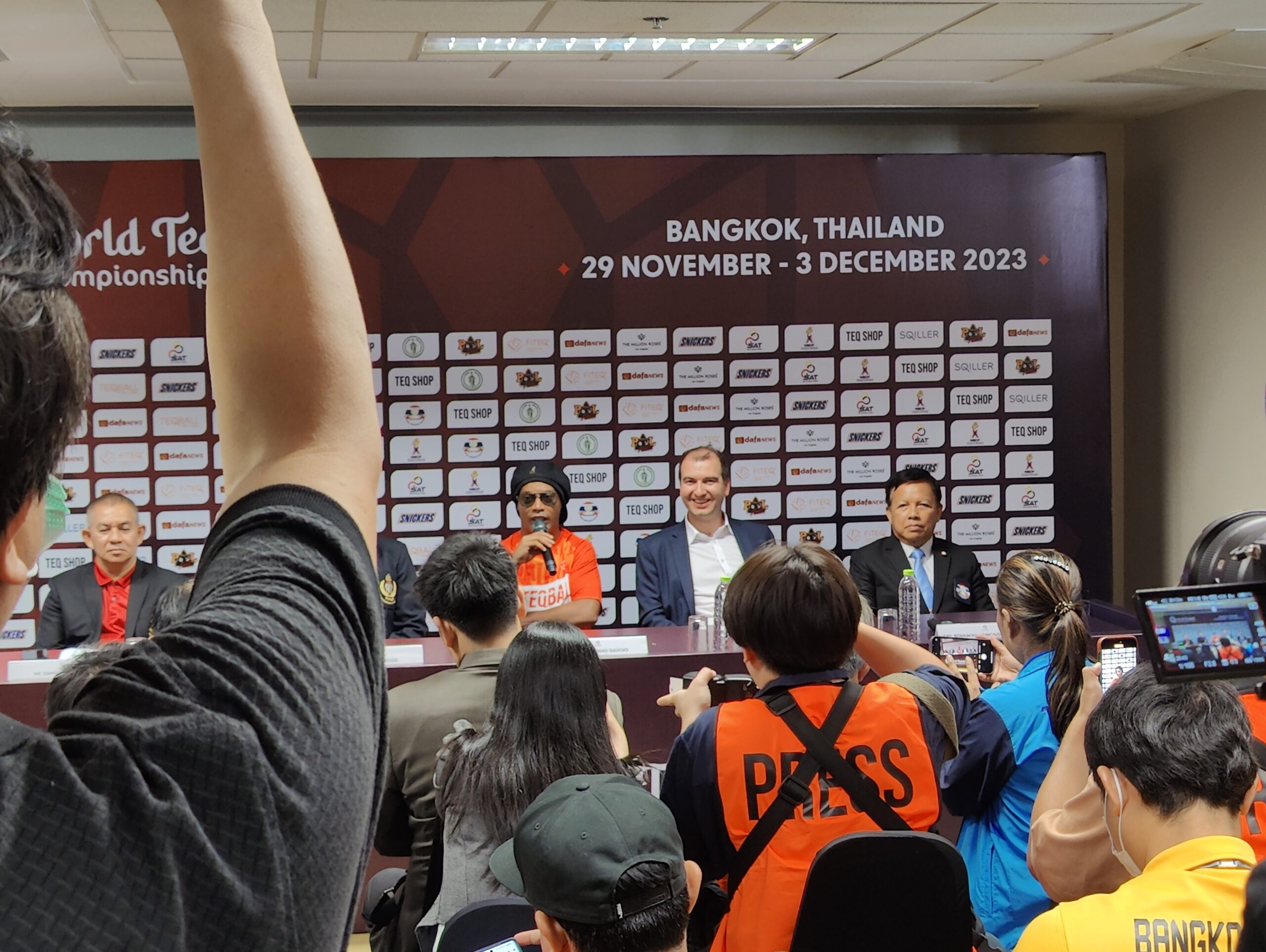
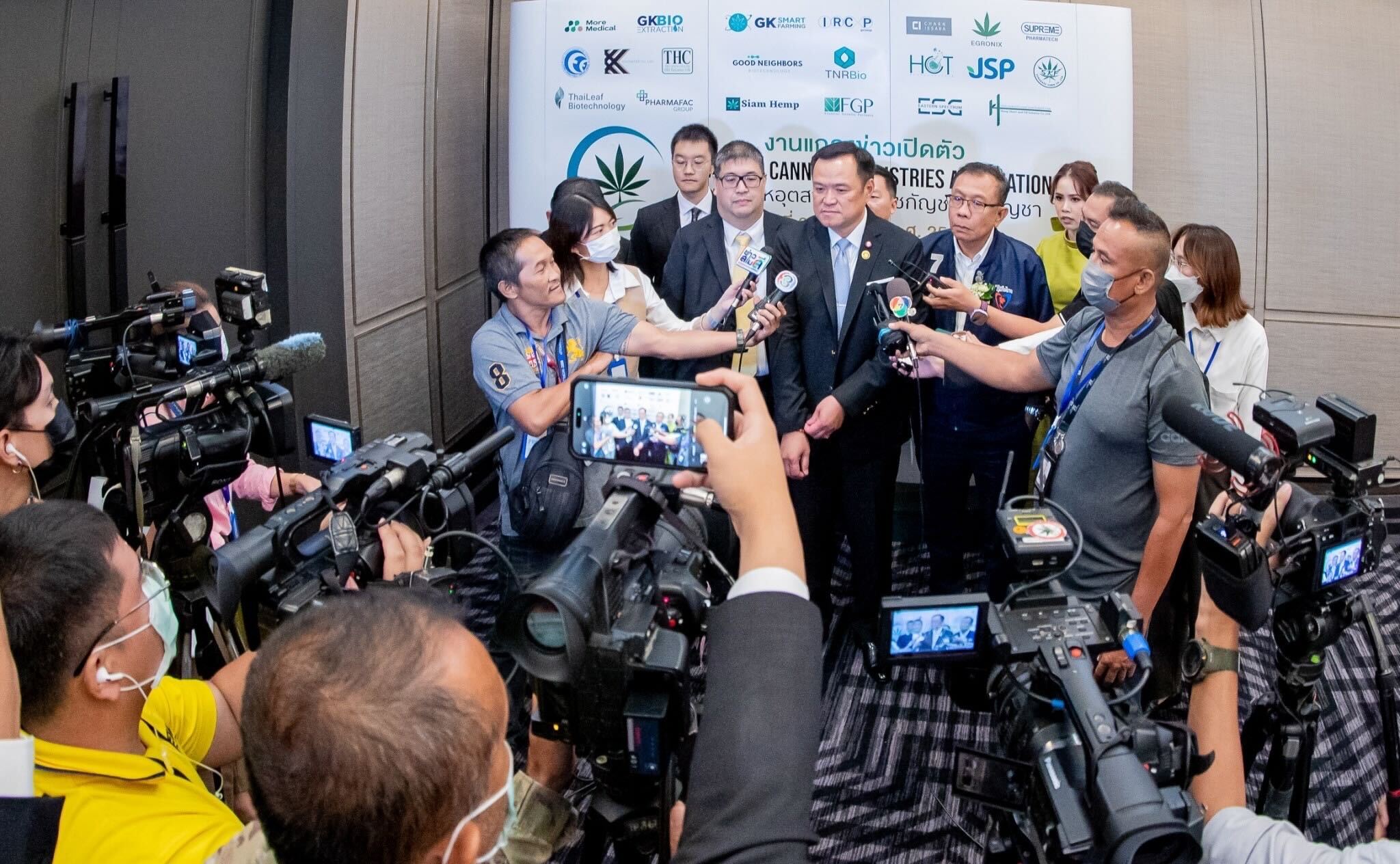
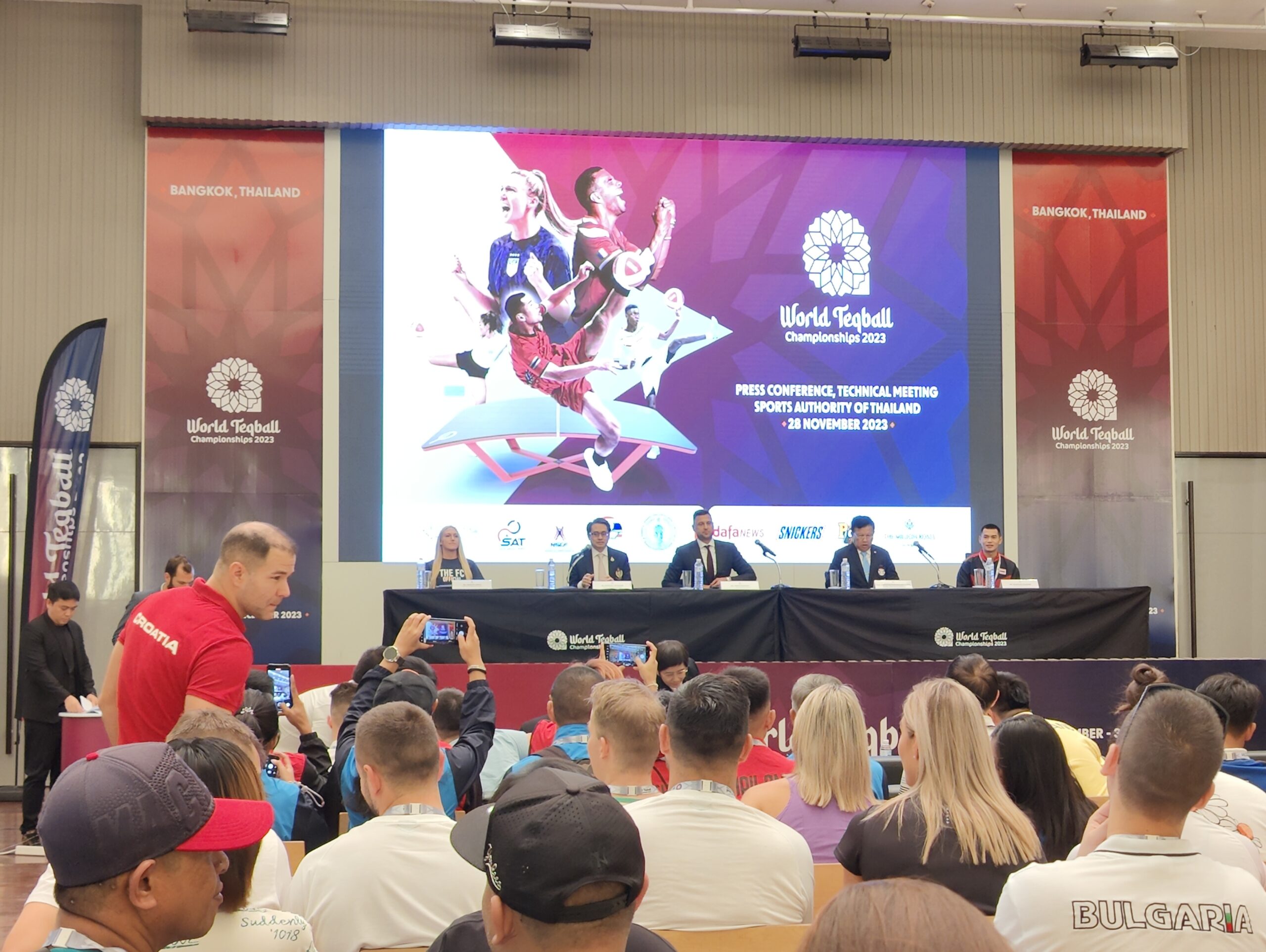
Foundeast tailors each pitch to the market and the publication. These examples show how trade and national outlets covered campaigns we supported across Southeast Asia, Latin America, and Southern Africa.
See how we plan international media outreach and report earned and syndicated coverage separately.
ประชาสัมพันธ์ในวันนี้ไปไกลกว่าพาดหัวข่าว และกำหนดการรับรู้ในทุกช่องทางที่ผู้คนสร้างความเห็นและตัดสินใจ Foundeast สร้างระบบ PR แบบบูรณาการ เปลี่ยนความน่าเชื่อถือเป็นการมองเห็น และต่อยอดเป็นการเติบโตที่วัดได้ ติดต่อเราเมื่อแบรนด์ของคุณพร้อมก้าวไปไกลกว่าจำนวนข่าวและสร้างอิทธิพลที่แท้จริง
บอกเราว่าคุณต้องการบรรลุอะไร เราจะวางแนวทางที่ชัดเจนและเชื่อม PR คอนเทนต์ และดิจิทัล ให้เหมาะกับตลาด กลุ่มเป้าหมาย และเป้าหมายธุรกิจของคุณ
ขอข้อเสนอสื่อสัมพันธ์ระดับสากลและประสบการณ์เปิดตัวยานยนต์ในภูมิภาค
PR ครีเอเตอร์ และการสื่อสารอีเวนต์ที่ทำงานร่วมกัน