
AI in event production and marketing can accelerate design previews, photo selection, post-processing, video editing, and project coordination. Its value is greatest when repetitive tasks move faster while experienced people remain responsible for accuracy, creative decisions, and delivery.
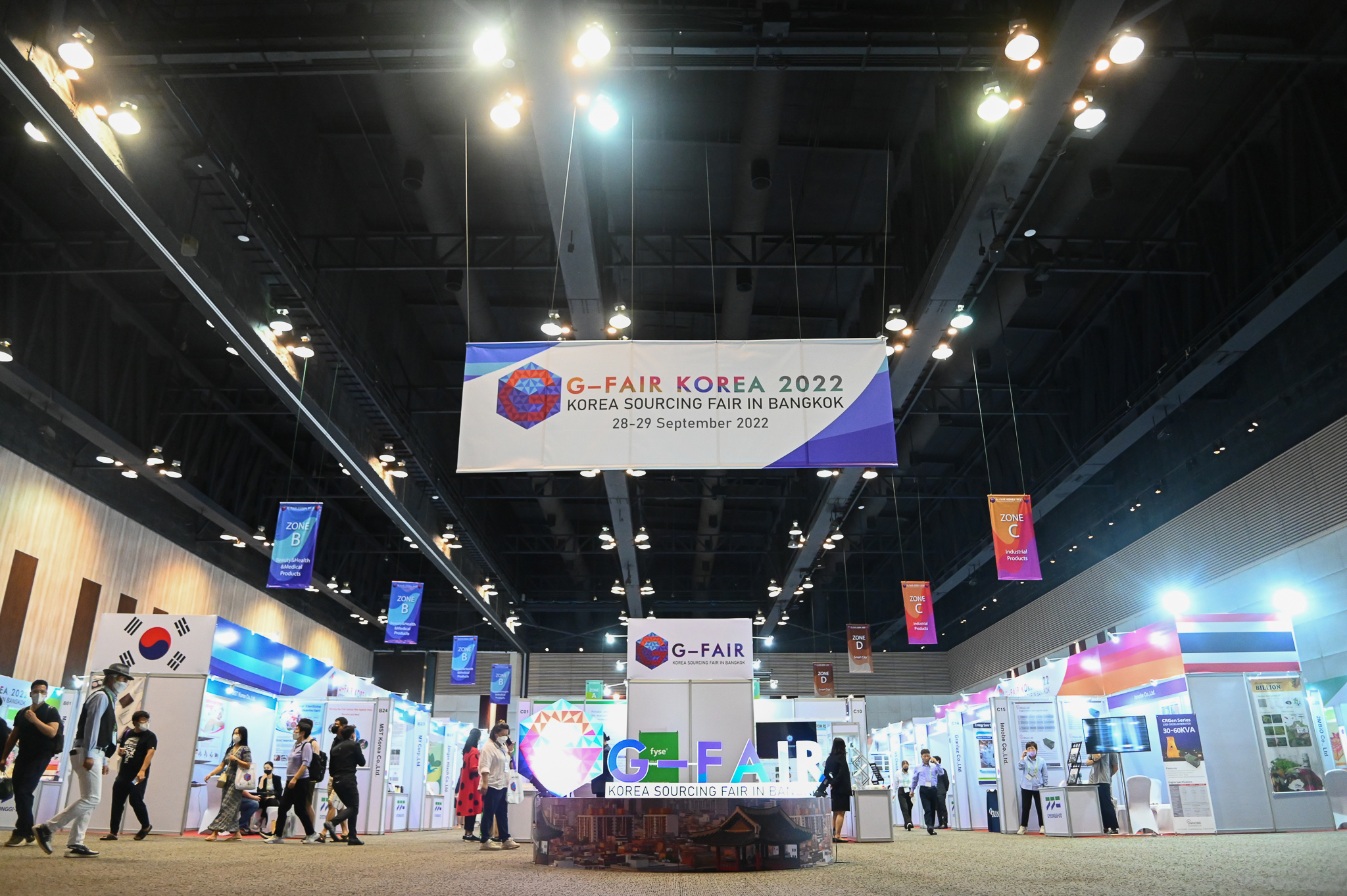
For a Bangkok product launch, international conference, or regional media event, content may need to reach journalists and social channels while the event is still happening. When the brief requires that turnaround, AI-assisted workflows can become a practical necessity. The challenge is delivering quickly without losing the context that makes the material useful.
AI in event production and marketing: design pre-visualization
AI-generated concepts help clients and production teams discuss stage treatments, exhibition spaces, backdrops, lighting, and camera angles before committing to fabrication. Instead of interpreting a written description differently, stakeholders can compare visual directions and identify problems early.
Adobe’s Firefly Boards documentation describes tools for moodboards, storyboards, and pitch materials. These support conversations about composition and visual intent.
However, a convincing render is not a technical drawing. Designers and production suppliers must validate dimensions, materials, sightlines, screen ratios, installation requirements, and costs. Approved logos, typography, and sponsor hierarchies should come from controlled brand assets. Generated lettering is particularly unsuitable for final signage.
Seven practical uses of AI in event production and marketing
Practical uses of AI in event production and marketing include:
- Concept exploration: developing alternative visual treatments for client discussion.
- Production preparation: drafting storyboards, shot lists, interview prompts, and format requirements.
- Photo curation: flagging focus problems, closed eyes, exposure issues, and potential rejects.
- Photo post-processing: assisting with noise reduction, subject masks, and adjustments across selected batches.
- Video preparation: producing searchable transcripts and helping editors locate relevant footage.
- Content adaptation: preparing draft captions, subtitles, translations, and channel-specific versions.
- Project management: converting approved briefs and meeting notes into draft schedules, action lists, and approval checklists.
These functions should connect to a shared brief. Faster output has limited value if it features the wrong spokesperson, misses a required sponsor, or uses an outdated message.
Curating and processing event photos at speed
A photographer may capture hundreds of frames during a short presentation. AI-assisted selection can reduce the time spent reviewing technically weak images. Adobe’s June 2026 Lightroom update announced general availability of Assisted Culling, while its guidance describes checks including subject sharpness, eye sharpness, and exposure.
Technical quality is only one selection criterion. A slightly imperfect frame might capture the central handshake, an important announcement, or an interaction the client specifically requested. A technically excellent photograph might reveal confidential presentation content or show an inappropriate expression.
The photographer or photo editor therefore needs to review the shortlist against the coverage brief. Post-processing should preserve the event’s factual record. Correcting exposure differs fundamentally from generating extra attendees, changing products, or altering what appeared on a screen.
To use AI in event production and marketing effectively under tight deadlines, agree a small priority gallery first, followed by the broader edited collection.
Faster video editing still needs an editor
For video teams, AI in event production and marketing can shorten repetitive tasks through transcription, footage search, masking, and reframing. Adobe’s January 2026 Premiere announcement introduced AI-powered Object Mask and closer integration with Firefly Boards.
An editor still needs to establish the story, select meaningful quotes, maintain continuity, and check names, titles, translations, music rights, and brand requirements. Automated subtitles can misread a Thai name or technical term. An apparently smooth edit can remove a qualification that changes a speaker’s meaning.
Professional videographers remain essential for anticipating moments, framing interviews, controlling exposure, and recording usable sound. Post-production tools cannot reliably compensate for an important moment that was never captured.
Client expectations need a delivery plan
“Fast” should become a schedule with defined outputs: priority photographs, an initial social clip, a reviewed highlights film, and final archives. Each needs an owner, format, deadline, and approval route.
Clients can help protect turnaround times by providing approved messaging, spokesperson names, brand files, and release permissions before the event. A designated approver should be available during agreed delivery windows. If every asset waits for several disconnected approvals, faster editing alone will not solve the delay or make the final content better.
Applying AI in event production and marketing also helps project managers summarize changes and flag unresolved actions, but they must verify the source instructions. A draft task list should never silently become an approved production order.
Human checkpoints belong at concept approval, technical sign-off, photo selection, editorial review, and release. Teams should also agree which materials may enter AI tools, particularly unreleased products, guest information, and confidential speeches.
For AI in event production and marketing, the strongest approach combines automation with accountable specialists. Clients gain timely content while photographers, videographers, designers, editors, and producers protect quality and the intended message.
Planning an event in Thailand or Southeast Asia? Foundeast connects event planning and production with photography, video, PR, and digital distribution. Contact Foundeast at queries@foundeast.com to discuss your creative brief, delivery schedule, and approval requirements.